
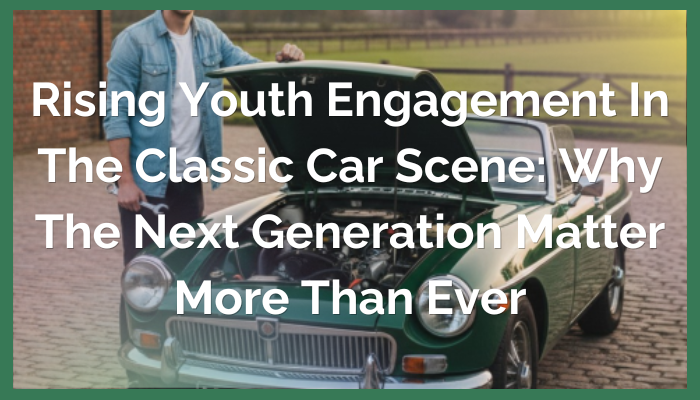
For years, one question has loomed large over the classic car world: who will look after these cars in the future? Attend almost any traditional classic car show and the same concern often crops up in conversation. The passion is still strong, but the average age of owners continues to rise. However, something genuinely encouraging is happening beneath the surface. Rising youth engagement in the classic car scene is no longer a theory or a hope; it is already happening, and it is reshaping the hobby in meaningful ways.
Younger enthusiasts are buying classic cars, restoring them on modest budgets, dailying them, filming the journey, and sharing it with audiences far larger than most traditional clubs ever reached. This new generation is not driven by nostalgia for their youth, but by curiosity, creativity, and a desire for a more tangible connection with motoring. In an era dominated by screens, software updates, and subscription models, classic cars offer something refreshingly real. Understanding this shift is vital because the long-term survival of the classic car scene depends on it.
Why Rising Youth Engagement in the Classic Car Scene Is Finally Happening
One of the biggest reasons rising youth engagement in the classic car scene is accelerating, is a dissatisfaction with modern cars. Today’s vehicles are undeniably capable, but they are also complex, expensive, and increasingly closed systems. For many younger drivers, the idea of leasing a car they cannot repair, modify, or truly own holds little appeal.
Classic cars provide the opposite experience. They are mechanical, understandable, and honest. You can open the bonnet and see how things work. You can fix them yourself, improve them gradually, and build skills along the way. For younger people raised in a digital world, this analogue experience is deeply appealing.
Affordability also plays a part. While some classics command eye-watering prices, many entry-level classics from the 1980s, 1990s, and early 2000s remain within reach. Insurance is often cheaper than expected, road tax exemptions apply to older vehicles, and depreciation is far less severe than on modern cars. For many younger buyers, a classic represents better long-term value than a brand-new vehicle.
How Social Media and Content Creators Are Fueling the Movement
Social media has played a huge role in bringing younger people into the classic car world. Platforms like YouTube, Instagram, and TikTok have transformed how enthusiasts learn, share, and connect. Restoration projects that once happened quietly in garages are now documented step by step, often with total transparency about costs, mistakes, and challenges.
This visibility matters. It removes the intimidation factor surrounding classic ownership. Younger viewers see people like themselves tackling projects with basic tools, learning as they go, and succeeding. The message is clear: you do not need to be wealthy or highly experienced to get involved.
Content creation has also helped classics cross into broader culture. Cars now appear alongside fashion, photography, music, and travel content. A classic car is no longer just transport; it becomes part of personal identity. This cultural crossover keeps classics relevant and introduces them to audiences who may never have attended a traditional car show.
The Skills Gap and Why Passing Knowledge On Is Essential
While rising youth engagement in the classic car scene is encouraging, it also highlights an important challenge: the skills gap. Many traditional mechanical skills are at risk of being lost. Carburettor tuning, ignition timing, manual gearbox rebuilding, welding, and panel beating are not skills taught in modern automotive training.
Younger enthusiasts are often eager to learn, but they need access to experienced owners and professionals who can pass on that knowledge. Clubs, workshops, and long-time enthusiasts play a crucial role here. Mentoring schemes, apprenticeships, hands-on workshops, and open garage days are becoming increasingly important.
If these skills are not shared, the cars may survive, but the ability to maintain them properly may not, which is why rising youth engagement in the classic car scene must be matched by a willingness from older generations to teach and support.
Classic Cars as Culture, Not Just Transport
Another key reason rising youth engagement in the classic car scene is thriving is the way younger owners view cars. For many, classics are not simply vehicles; they are cultural artefacts. They represent creativity, craftsmanship, and individuality.
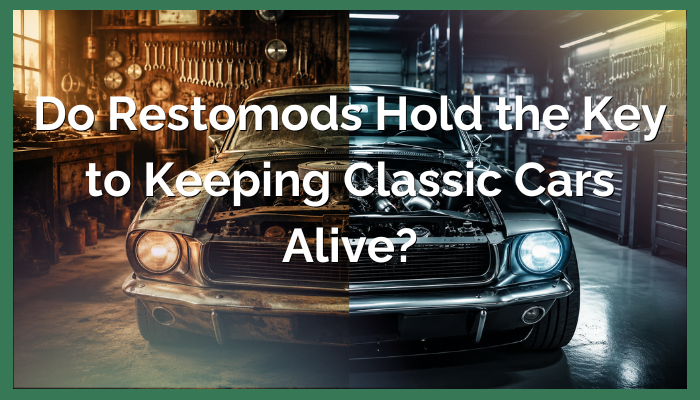
This perspective sometimes challenges traditional ideas of originality. While concours correctness remains important to many, younger owners often favour sympathetic modifications that improve usability or reflect personal taste. This might include subtle suspension upgrades, period-inspired wheels, or reliability improvements.
Rather than diluting the scene, this diversity of approaches can strengthen it. The key is mutual respect. A thriving classic car community can accommodate both preservation purists and creative restorers, provided there is shared appreciation for the cars themselves.
How Clubs Are Adapting to a Younger Audience
Not all classic car clubs have adapted easily to changing demographics, but those that have are seeing positive results. Successful clubs tend to embrace modern communication methods, maintain active social media presences, and organise events that feel welcoming rather than formal.
Rising youth engagement in the classic car scene has forced many clubs to re-evaluate how they operate. Younger members are often less interested in committee meetings and more drawn to social drives, informal meets, and shared experiences. Clubs that understand this shift are attracting new blood and revitalising their memberships.
The most successful clubs are those that recognise tradition does not have to mean rigidity. Evolution is not a threat to heritage; it is often the best way to preserve it.
The Financial Reality for Younger Classic Owners
It is important to be realistic. Rising youth engagement in the classic car scene is happening against a backdrop of economic pressure. Housing costs, fuel prices, and general living expenses all affect younger owners disproportionately.
As a result, many younger enthusiasts adopt a different ownership model. They buy imperfect cars, learn through trial and error, and spread projects over longer periods. Rather than paying for full restorations, they invest time and effort.
This approach often creates a deeper connection with the vehicle. A car saved through persistence and learning carries a different kind of value, one that goes beyond market price. That emotional investment is a powerful force in sustaining long-term ownership.
What This Means for the Future of the Classic Car Market
As rising youth engagement in the classic car scene continues, market dynamics are changing. Interest is growing in vehicles that were once overlooked, particularly from the late 1980s through to the early 2000s. Condition, usability, and reliability are becoming just as important as rarity.
Workshops are seeing increased demand for mechanical restoration and sympathetic upgrades rather than concours perfection. Parts suppliers are expanding support for younger classics, and insurers are adapting policies to reflect different usage patterns.
This is not a threat to the market, but a natural evolution. The definition of what constitutes a “classic” continues to broaden, ensuring the hobby remains dynamic rather than static.
Events, Meets, and the Social Side of Ownership
Traditional shows remain popular, but informal meets play a particularly important role in encouraging younger participation. Cars and coffee events, evening meets, and relaxed social drives feel accessible and inclusive.
These environments encourage conversation and connection rather than competition. Younger owners often attend multiple events in a season, travelling significant distances and forming friendships that extend beyond the cars themselves.
Event organisers who recognise this shift and cater for a range of audiences are likely to remain relevant well into the future.
Education, Inclusion, and the Long-Term Future
Ultimately, sustaining rising youth engagement in the classic car scene depends on accessibility and inclusion. This means affordable entry points, clear information, supportive communities, and visible role models.
Breaking down stereotypes about who classic cars are for is essential. The more diverse and welcoming the community becomes, the stronger it will be.
The Future of the Classic Car Scene Is Already Taking Shape
The idea that classic cars are fading away alongside an ageing audience is increasingly outdated. Younger enthusiasts are already involved, already learning, and already shaping the future of the hobby.
Rising youth engagement in the classic car scene brings fresh energy, new perspectives, and long-term sustainability. It challenges old assumptions and encourages growth without abandoning heritage.
The focus now should not be on whether younger people care about classic cars, but on how best to support them as the next custodians. If the passion is nurtured, the future of classic motoring looks far healthier than many once feared.

This is so true