

There’s always a moment around this time of year when things start to shift. The clocks change, the evenings stretch out, and suddenly the idea of a quick evening drive doesn’t feel like a chore, it feels like exactly what the day was missing. For classic car owners, this is when the season really begins.
After months of careful storage, tinkering in the garage, and the occasional hopeful engine start, spring and summer are when these cars finally get used as they were intended. Shows fill the calendar, road trips get planned, and weekends start revolving around where to go rather than whether to go.
But this year, there’s a question quietly creeping into the conversation. With 2026 fuel prices back in the spotlight, will it actually change how often people drive their classics this summer?
It’s not a dramatic shift, and it’s certainly not the end of classic motoring. But it’s worth exploring, because the answer says a lot about how the hobby is evolving.
Why 2026 Fuel Prices Are Back in the Spotlight for Classic Car Owners
Fuel prices are nothing new. Anyone who has owned a classic car for more than five minutes knows they’re not exactly built with efficiency in mind. But in 2026, prices have become more of a talking point again, and for good reason.
Petrol prices have edged back up across the UK, with many areas seeing figures creeping well beyond £2 per litre. For daily drivers, it’s frustrating. For classic owners, it’s something slightly different.
Classic cars are rarely used out of necessity. They’re driven because people want to drive them. That makes fuel costs feel more noticeable. Filling up a modern car is part of everyday life, but filling up a classic often feels like part of the experience, and when that cost rises, it’s harder to ignore.
The reality is, 2026 fuel prices won’t stop people owning classics. But they might influence how often they get used, and more importantly, how those drives are planned.
Summer Driving and Why Classics Come Out More Than Ever
There’s a rhythm to classic car ownership, and summer sits right at the centre of it. This is when cars that have spent months tucked away finally get out on the road. It’s not just about driving, it’s about everything that comes with it.
Show season kicks off, calendars fill up, and weekends start to revolve around events. Long drives, scenic routes, and spontaneous detours all become part of the routine. Even something as simple as a Sunday morning run feels like an occasion.
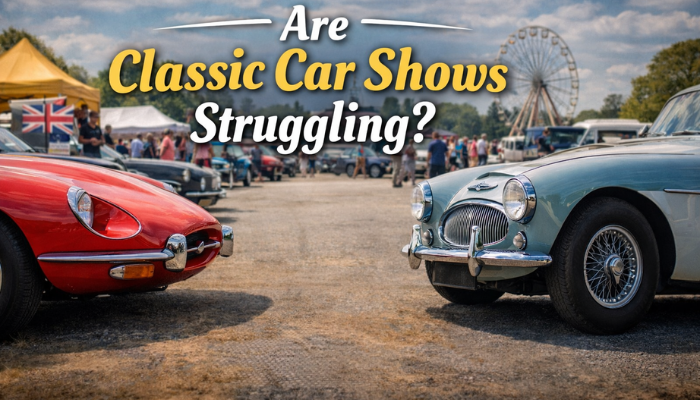
As we explored in our recent blog on whether classic car shows are changing, these events still play a huge role in how enthusiasts use their cars. They give purpose to those miles and provide a reason to get out and drive.
That’s what makes fuel prices relevant. Summer is when classics do the bulk of their mileage. It’s when the hobby is most active, and when any change in cost is felt the most.
Will Rising Fuel Costs Mean Classic Cars Are Used Less?
This is where things get interesting. The obvious answer might be yes, but the reality is a bit more nuanced.
Classic cars aren’t daily drivers for most people. They’re not used for commuting or school runs. That means their usage is already limited to leisure time. So, when fuel prices rise, it doesn’t necessarily stop people driving, it just changes how they choose to do it.
Instead of heading out for multiple short trips, owners might plan one longer drive. Instead of attending three shows in a weekend, they might pick one. It becomes less about cutting back entirely and more about being selective.
There’s also a psychological element to it. Fuel is one of the few running costs that you actively notice every time you use the car. You might not think about insurance or maintenance every week, but you definitely notice the price at the pump.
So yes, 2026 fuel prices may influence behaviour, but not in a way that stops people enjoying their cars. If anything, it might make each drive feel a little more considered, and perhaps even more appreciated.
Are Classic Car Shows Feeling the Impact?
When we looked at whether classic car shows are changing, we explored how attendance patterns are already shifting. People are becoming more selective, choosing fewer events but making more of the ones they attend.
Fuel costs add another layer to that decision-making process.
Long-distance trips to shows are often the first thing to be reconsidered. If an event is several hours away, that’s not just a day out, it’s a full tank of fuel, maybe more. Multiply that across a season, and it quickly adds up.
What we’re seeing isn’t a drop in enthusiasm for classic car shows, but a subtle change in how people approach them. Owners are more likely to prioritise local events or combine multiple activities into a single trip.
It’s not about avoiding shows altogether. It’s about making them count.
The Shift Towards Local Meets and Smarter Driving
One noticeable trend is the growing popularity of local meets. Cars & Coffee events, smaller club gatherings, and informal meetups are becoming a bigger part of the scene.
These events require less commitment. You don’t need to plan an entire day around them, and you don’t need to travel long distances. You can turn up, have a chat, enjoy the cars, and head off again.
This shift isn’t solely down to 2026 fuel prices, but they certainly play a part. When driving becomes more expensive, convenience matters more. Local events tick that box perfectly.
There’s also something to be said for the atmosphere. Smaller meets tend to feel more relaxed. There’s less pressure, less structure, and often more time to actually talk to people.
Rather than replacing traditional shows, these gatherings are complementing them. They give enthusiasts more options and make it easier to stay involved in the hobby without committing to large-scale events every weekend.
Will Fuel Prices Actually Change the Classic Car Hobby?
If you zoom out a little, the bigger question isn’t about this summer, it’s about the long-term impact. Will rising fuel prices fundamentally change the way people engage with classic cars?
The honest answer is probably not as much as some might think.
Classic car ownership has never been about logic. These cars aren’t practical, they’re not efficient, and they’re rarely the easiest option. People own them because they enjoy them. That emotional connection is what keeps the hobby alive.
Yes, costs matter. But for most enthusiasts, the enjoyment outweighs the expense. A tank of fuel isn’t just a cost it’s an investment in the experience. So, while 2026 fuel prices may shape how people use their cars, they’re unlikely to change why people use them in the first place.
The Reality – Classic Cars Have Always Been a Luxury
It’s worth being honest about this. Classic cars have always been a luxury.
Even when fuel was cheaper, they still came with costs. Maintenance, parts, storage, insurance, it all adds up. Running a classic has never been the cheapest way to get from A to B.
What’s changed is visibility. Fuel prices are front and centre. You see them every time you fill up. That makes them feel more significant, even if they’re just one part of the overall cost of ownership.
For many owners, this isn’t new territory. Fuel prices have fluctuated before, and enthusiasts have always adapted. They drive a little less, plan a little more, and carry on enjoying their cars.
That’s likely to be the case again.
The Future of Classic Driving in a High-Cost World
Looking ahead, the classic car hobby isn’t disappearing, it’s evolving.
We may see fewer spontaneous drives and more planned outings. Fewer long-distance trips and more local meets. But the core of the hobby remains unchanged.
People will still gather, still drive, still share their cars with others.
In many ways, rising costs might even make the experience more meaningful. When you choose to take the car out, it becomes more of an occasion. You make the most of it. You enjoy it more.
Classic car ownership isn’t about how often you drive. It’s about how much you enjoy the time you do spend behind the wheel.
So no, 2026 fuel prices aren’t going to stop people driving their classics this summer. They might just change the way those drives look, and that’s not necessarily a bad thing.



Leave A Comment