
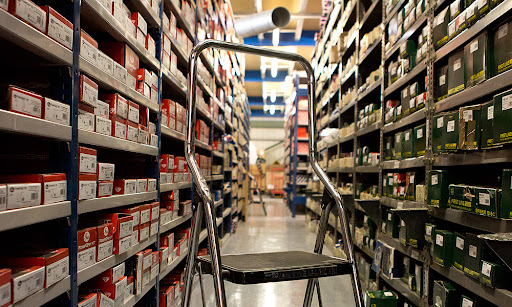
For years, one of the biggest worries for classic car owners has not been rust, breakdowns or even rising fuel costs. It has been parts. Or more accurately, the lack of them. We have all heard the horror stories. A simple switch that is no longer available. A trim piece that only existed for two years. A seat fabric that has not been made since 1973, and these are just aesthetic parts. A lack of mechanical parts necessary to the running of the car could leave a perfectly usable classic becoming a very expensive garage ornament.
Thankfully, something interesting is happening in the classic car world right now. Slowly but surely, the supply of original and officially reproduced parts is improving. In some cases, it is improving dramatically. Even major manufacturers are now stepping in, reopening archives, dusting off old tooling, and bringing heritage parts back into production. This shift could have a huge impact on restorations, values, usability and even the future of the classic car hobby itself.
So why is this happening now? What does it mean for owners, and which manufacturers are leading the charge? read on to find out…
Why Parts Shortages Have Always Been the Biggest Threat to Classic Cars
Mechanical wear is inevitable. Paint fades. Rubber perishes. Interiors crack. All of that is expected when you own something that could be 40, 50, or even 70 years old. What turns these manageable problems into nightmares is when you simply cannot get the parts you need to fix them.
For many years, classic owners have relied on a combination of:
- Scrap yards and dismantlers
- Specialist reproduction companies
- One-off custom fabrication
- Online forums and overseas suppliers
This patchwork system works, but it is fragile. Suppliers close. Stock runs out. Tooling wears down. And once a mould or press is gone, that part can effectively vanish forever.
That is how certain cars quietly drift off the road. Not because the engine is completely seized, but because something as small as a sensor housing or dashboard switch cannot be sourced.
This is why the recent shift in manufacturer-backed parts supply is such a big deal.
Why Manufacturers Are Suddenly Investing in Classic Parts Again
It is easy to assume this sudden interest in heritage parts is purely about money, and yes, money is of course part of it. But there are several deeper reasons driving this change.
First, nostalgia is selling better than ever. Manufacturers have realised that their history has real value. People care about where a brand came from. That heritage is now a powerful marketing asset.
Second, classics underpin brand reputation. If your past cars are still being seen, driven and celebrated, your brand gains credibility. Letting that heritage disappear into scrapyards is not good for your brand image.
Third, the rise of modern classics has created a huge new customer base. Cars from the 80s, 90s and early 2000s are now entering proper classic territory. These vehicles were once considered too new to bother with. Now they are highly desirable and in desperate need of parts support.
And finally, manufacturers now understand that sustainability is not just about electric cars. Keeping existing vehicles in use is one of the most environmentally responsible things anyone can do.
Porsche Leading the Way With Heritage Parts
One of the most visible pioneers in this movement has been Porsche. Through its Porsche Classic programme, the company has been steadily reintroducing original parts for decades, but in recent years the scale has increased dramatically.
Thousands of parts are now available for air-cooled 911s, 928s, 944s and early water-cooled models. Everything from engine internals to interior trim and even body panels can now be purchased brand new.
One of the most talked about developments recently has been the return of iconic interior fabrics such as Pepita, Pasha and period correct tartans. These were unavailable for years, and restorers were forced to substitute with modern materials. Now they are back, produced to factory specifications, helping these cars keep their originality.
This matters because originality is everything in the classic world. A correct interior can add tens of thousands to a car’s value. Being able to restore properly instead of compromising is a game-changer.
The Rise of Heritage Programmes Across the Industry
Porsche is not alone. Many manufacturers now operate classic support divisions.
These include:
- Mercedes-Benz Classic
- BMW Classic
- Jaguar Classic
- Aston Martin Heritage
These programmes now produce everything from gaskets and wiring looms to complete bodyshells in some cases. Jaguar’s continuation E-Type shells are a famous example.
This cross-industry shift shows that manufacturers now see long-term support as part of their product ecosystem, not an afterthought.
How This Changes the Game for Restorers and Workshops
For restoration specialists, improved parts supply is nothing short of transformative.
In the past, restorations often had to stall while owners searched for irreplaceable items. Workshops had to fabricate parts from scratch, increasing costs and timeframes. Some projects became uneconomical halfway through.
Now, more restorations can:
- Be completed faster
- Stay closer to factory specification
- Cost less in custom labour
- Retain higher resale values
It also means more cars are viable restoration candidates. Vehicles that would once have been written off due to unobtainable components now stand a genuine chance of being saved.
Classic values have always favoured originality. Matching numbers cars. Correct trim. Factory specification wheels. Period correct radios. The closer a car is to how it left the factory, the stronger its value tends to be. Improved parts supply helps protect that originality rather than dilute it.
How This Impacts Everyday Usability of Classics
One of the biggest reasons people shy away from using classics regularly is fear of breakdowns, followed by weeks of downtime while parts are sourced. When parts are readily available, those fears reduce significantly.
Owners become more confident to:
- Drive their classics more often
- Use them for longer trips
- Tour internationally
- Keep them out of storage
That is where the real joy of classic ownership lies. Cars should be driven, not just polished.
Improving Sustainability
There is also a strong sustainability argument here. Manufacturing a single new car creates a huge carbon footprint before it even leaves the factory. Keeping an existing car on the road through restoration and maintenance is often far more environmentally responsible. By supporting classic ownership through proper parts supply, manufacturers are indirectly contributing to recycling on a massive scale.
Classic cars can remain part of a responsible transport future rather than being pushed aside. Another angle is, of course, EV conversions of classic cars. While this is a controversial topic, and certainly detracts from the originality, some people would much rather convert a classic than buy a mass-produced electric SUV that looks the same as almost every other one on the road.
When mechanical parts become more accessible, petrol-powered classics remain viable for longer. That offers owners a genuine choice. Some will still choose electric conversions. Others will proudly keep carburettors and manual gearboxes alive. A healthy parts supply protects that freedom.
Challenges Still Facing the Parts Supply World
Despite the positive trend, challenges remain.
Some of the biggest include:
- Rising production costs
- Limited availability of original raw materials
- Global supply chain disruptions
- Long lead times on small batch manufacturing
- Not every manufacturer has the resources or interest to invest in heritage
- Classic car mechanics are a dying skill, modern training centres around diagnostic equipment and modern electronics
So, while things are improving, classic ownership will never be entirely free of supply challenges. It is simply far better than it once was.
For decades, parts availability has quietly been the biggest threat to the survival of classic cars. Not rust. Not legislation. Not fuel prices. Simply the inability to replace what wears out.
That is now changing. Manufacturers are investing. Independent suppliers are expanding. Knowledge is being preserved. And confidence is returning to the market.
This does not just benefit concours restorers or investors. It benefits everyone who loves driving, fixing, and preserving old cars.
Better parts supply means more classics on the road, more skills passed down, stronger values, safer ownership and a healthier future for the entire hobby.
And that is something every enthusiast should celebrate.



Leave A Comment